
 ← Learning & STEM
 How Food Coloring Pages Can Actually Teach Kids Healthy Eating
Discover how coloring fruits and vegetables creates positive food associations and reduces mealtime battles with picky eaters naturally.
Your five-year-old refuses to eat anything green. Broccoli is the enemy. Carrots get pushed around the plate like tiny orange prisoners. But yesterday, they spent twenty minutes carefully coloring a carrot page, choosing the perfect shade of orange and asking why carrots are good for their eyes.
This is not a coincidence. Food coloring pages do something magical that most parents do not realize — they create positive associations with healthy foods before the first bite ever happens.
The psychology behind coloring and eating
When kids color fruits and vegetables, they spend focused time thinking about these foods in a relaxed, creative way. There is no pressure to eat, no negotiations, no stress. Just the simple act of making a banana yellow or an apple red.
This positive interaction matters more than you might think. Child psychologists call this “exposure therapy” — the more familiar kids become with foods through non-threatening activities, the more willing they are to try them later. Coloring counts as exposure, and it is the kind kids actually enjoy.
Research shows that kids need to see a food 8-12 times before they are willing to taste it. Those coloring sessions? They count toward that magic number.
What happens when kids color their food
Coloring food pages creates several powerful learning moments. Kids start noticing details they have never paid attention to before. They see that broccoli looks like tiny trees. They discover that peppers come in different colors. They learn that fruits have patterns and textures.
One mom told me her daughter started asking about “the bumpy green vegetable” after coloring a cauliflower page. She had been serving cauliflower for months, but her daughter had never really looked at it until she had to choose which green crayon to use.
The act of coloring also slows kids down. Instead of the quick “yuck” reaction they might have at the dinner table, they spend time with each food, thinking about its colors and shapes. This focused attention builds familiarity and comfort.
The connection between creativity and curiosity
Creative activities naturally spark curiosity, and curiosity is the gateway to trying new foods. When kids spend time making a strawberry page beautiful, they start wondering what strawberries taste like. When they carefully color each section of an orange, they might ask how oranges grow.
This curiosity feels different from parental pressure. It comes from within, which makes kids much more likely to act on it. A child who asks “Can we try this fruit?” after coloring it is in a completely different mindset than one who is being told “You need to eat your vegetables.”
I have seen this happen with our own kids countless times. After coloring food pages, they start requesting the foods they colored. Not because we suggested it, but because they became genuinely interested.
Making food fun instead of stressful
Mealtime battles are exhausting for everyone. Food coloring pages offer a way to introduce healthy foods without any of that stress. There are no rules about finishing your plate or trying one bite. Just the simple pleasure of choosing colors and staying inside the lines.
This stress-free approach is especially powerful for anxious eaters. Kids who feel overwhelmed by new foods at the table can explore them safely through coloring. They control the pace, the colors, the experience. This sense of control often translates into more willingness to try foods later.
One family discovered that their daughter who refused all vegetables would spend hours coloring vegetable pages. After a few weeks of this, she started pointing out vegetables at the grocery store that matched her colored pages. Eventually, she asked to try “her” vegetables. The key was removing all pressure and letting her curiosity develop naturally.
Beyond the coloring: conversations that matter
Food coloring pages create natural opportunities for conversations about nutrition, without feeling like lectures. As kids color, they ask questions. Where do carrots grow? Why are blueberries good for you? How do you cook broccoli?
These conversations happen when kids are relaxed and engaged, which means they are actually listening. You can share information about vitamins, growing processes, and cooking methods in a way that feels like sharing interesting facts, not pushing an agenda.
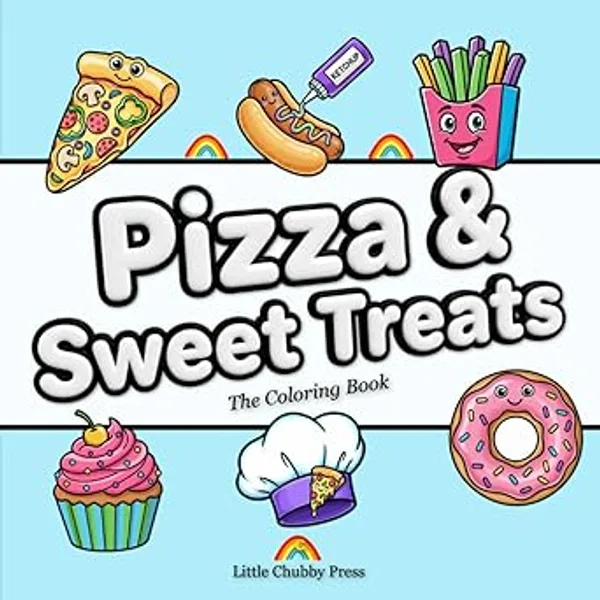
The Pizza and Sweet Treats Coloring Book does this beautifully by including both indulgent foods and balanced options. Kids can color pizza slices alongside fruit bowls, creating conversations about enjoying all foods in moderation rather than labeling foods as “good” or “bad.”
Starting your own food coloring tradition
You do not need special materials or complicated planning. Simple food coloring pages and regular crayons work perfectly. The key is consistency and a pressure-free environment.
Try setting up coloring time before meals, especially when introducing new foods. Let kids color the vegetables you are serving for dinner. Ask them to pick the colors, talk about what they are creating, and celebrate their artwork.
Keep it light and fun. The goal is not to trick kids into eating vegetables, but to help them develop genuine interest and comfort with healthy foods. Trust the process — curiosity and familiarity built through coloring really do translate into eating adventures.
Your next step
Grab some food coloring pages and let your kids explore. Pay attention to which foods they gravitate toward in their coloring, and consider serving those foods within the next few days. You might be surprised by their willingness to try the foods they have been coloring. The connection between creativity and curiosity about food is real, and it works better than most mealtime battles.
Keep exploring
- How food coloring pages make picky eaters more adventurous — more strategies for using coloring to expand eating habits
- Your toddler’s first coloring book: what to look for and what to avoid — choosing age-appropriate food themes
- Teaching kids to name their feelings (without awkward talks) — how coloring activities create natural conversation opportunities
More articles
The Hidden Fine Motor Skills Your Child Builds While Coloring
Discover how coloring secretly strengthens your child's fine motor skills and prepares them for writing, tying shoes, and more.
How Coloring Supports Early Learning and Fine Motor Skills
A practical pillar guide on how coloring builds fine motor skills, pre-writing, vocabulary, and visual thinking in young kids.

Seasonal Fruits and Vegetables: A Coloring Adventure That Teaches Without Trying
Turn the produce aisle into a creative learning moment with seasonal fruits and vegetables coloring activities your kids will actually enjoy.