How space coloring turns curiosity into a STEM foundation
That kid who asks 'why does the moon glow?' is ready to learn science without knowing it.
“Why don’t stars fall down?” If your kid asks these kinds of questions, they have natural scientific curiosity. The worst mistake is wasting it with a “just because” or letting it die in front of a screen.
Space is the gateway to science
Planets, rockets, gravity: outer space fascinates almost every kid. That fascination is the perfect fuel to introduce STEM concepts without making it feel like homework.
Coloring + conversation = learning
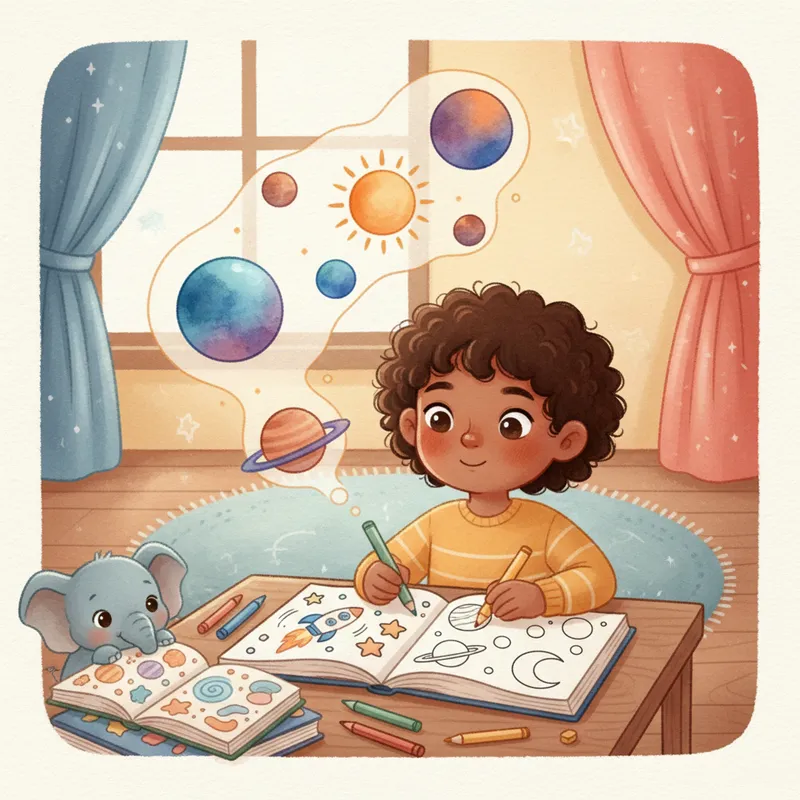
While they color a planet, ask: “How many planets do you think there are?” Look up the answer together. Every page becomes a mini science project.
Pages that invite exploration
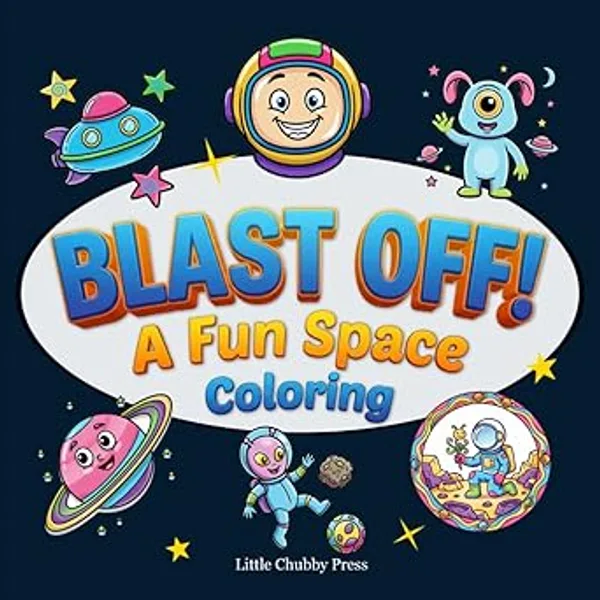
Blast Off! features rockets, planets, astronauts, and friendly aliens on pages designed for curious kids. It is not a science textbook, but it could be the start of a scientist.
Your next step
Next time they ask something about the sky, do not look up the answer alone: color something space-themed and explore it together.
Keep exploring
- How airplane coloring teaches kids about the world — geography through aviation.
- Why kids obsessed with trucks are building real skills — the same curiosity applied to machines.
- The sneaky way to teach letters before preschool — learning disguised as fun.
Related posts
The Hidden Fine Motor Skills Your Child Builds While Coloring
Discover how coloring secretly strengthens your child's fine motor skills and prepares them for writing, tying shoes, and more.
How Fashion Design Careers Actually Start With Coloring Books
Discover why famous fashion designers credit childhood coloring as their creative foundation and career launchpad.
How Fairy Tale Coloring Transforms Kids Into Natural Storytellers
Discover how fairy tale coloring pages unlock your child's storytelling superpowers and boost creativity in surprising ways.